Backup Power That Activates Without Intervention
Whole Home Generator Installation in Scotia for properties where power interruptions disrupt essential systems
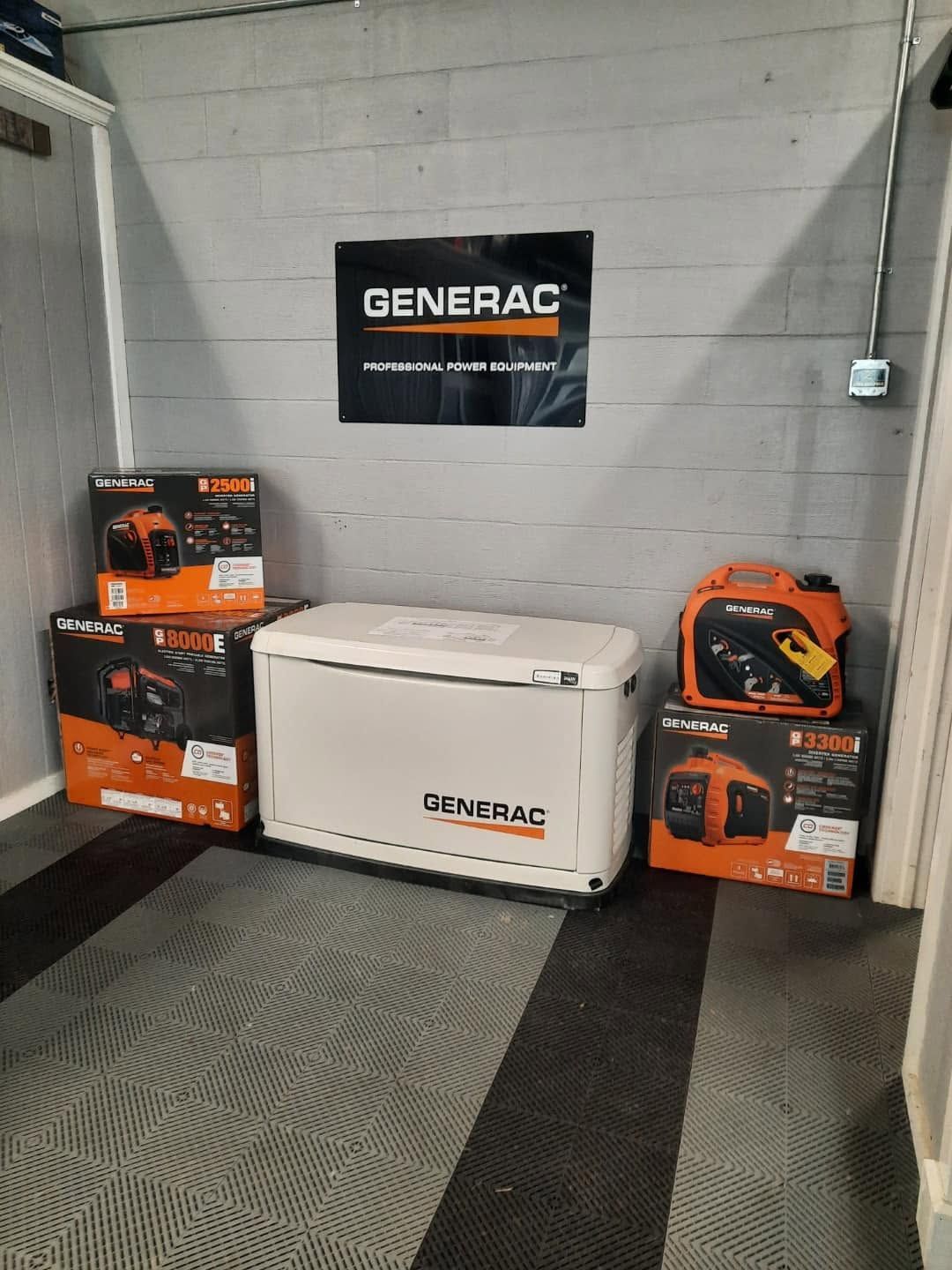
Extended power outages in Scotia can leave homes without heating, refrigeration, or well water for hours or even days, particularly during winter storms or infrastructure failures. R&D Electrical installs standby generators that automatically detect when utility power fails and restore electricity to selected circuits within seconds, ensuring that critical systems continue to operate without requiring manual startup or fuel handling. Unlike portable generators, which must be wheeled outside, fueled, and connected each time an outage occurs, standby units remain permanently installed and draw fuel from your existing natural gas or propane supply.
Sizing a generator correctly requires calculating the total electrical load from heating equipment, refrigerators, freezers, water pumps, lighting, and any medical devices that cannot tolerate interruption. An undersized generator will overload and shut down when multiple appliances cycle on simultaneously, while an oversized unit consumes excess fuel and costs more than necessary. R&D Electrical evaluates your home's electrical loads and determines the minimum generator capacity needed to support the circuits you prioritize during outages.
Request a free generator consultation to review your power requirements and discuss installation logistics for your property.
How Generator Systems Integrate With Existing Electrical Infrastructure
Standby generators are connected through a transfer switch that isolates your home from the utility grid when the generator is running, preventing backfeed that could injure utility workers or damage your equipment. The transfer switch monitors incoming utility voltage and commands the generator to start when an outage is detected, then transfers the electrical load once the generator reaches operating speed and voltage stabilizes.
Once installation is complete, you will notice that the generator performs a brief self-test each week, verifying that the engine starts correctly and that the transfer switch operates as designed. During an actual outage, lights and appliances continue running as though nothing has changed, and you no longer need to manually start equipment, run extension cords, or ration power to essential devices.
Generator installations include grounding the unit, running fuel and exhaust lines according to code, and positioning the enclosure to minimize noise while maintaining adequate ventilation. The transfer switch is mounted near your main electrical panel and wired to the circuits you select for backup power, which may include the entire panel or only the most critical loads depending on generator capacity and budget.
Answers to Frequent Service Questions
Homeowners considering backup power often have questions about sizing, fuel options, and how generator systems operate during outages.
What size generator does my home actually need?
Generator sizing depends on the combined wattage of the circuits you want to power during an outage, with careful attention to startup surges from motors in furnaces, air conditioners, and well pumps that temporarily draw several times their running wattage.
How does the generator know when to start?
The transfer switch continuously monitors utility voltage, and when it detects that power has been lost for more than a few seconds, it signals the generator to start and waits for the engine to stabilize before switching the electrical load.
Why are standby generators better than portable units?
Standby generators start automatically without intervention, run on natural gas or propane instead of requiring gasoline refills, and connect through a transfer switch that eliminates the need for extension cords or manual load management.
What maintenance does a standby generator require?
Generators need periodic oil and filter changes, battery inspections, and annual load testing to verify that the system will perform reliably when an outage occurs, similar to maintaining any engine-driven equipment.
How long does installation typically take in Scotia?
Most installations are completed in one to two days, depending on the distance from the generator to the fuel source, electrical panel, and whether trenching or concrete pads are required for proper placement.
R&D Electrical handles load calculations, permitting, transfer switch installation, and all electrical connections to ensure that your generator system operates safely and reliably during outages. Call (518) 810-2786 to schedule a consultation and review generator options suited to your home's power requirements.